Optimal Timing for Pathway Lighting
Pathway lighting enhances safety, visibility, and aesthetic appeal during evening hours. The optimal time to install or activate pathway lighting is during seasons with longer nights and lower ambient light levels, typically in late fall through early spring. Proper timing ensures pathways are well-lit when natural light diminishes, reducing the risk of accidents and improving outdoor ambiance.
Installing pathway lighting during fall and winter months aligns with shorter daylight hours, providing consistent illumination when natural light is limited.
Adjusting lighting schedules around daylight saving time helps maintain effective illumination during darker evenings.
Early autumn is ideal for installation, allowing sufficient time for adjustments before the onset of longer nights.
Routine maintenance is best scheduled in spring or early summer, ensuring lighting functions optimally during peak usage months.
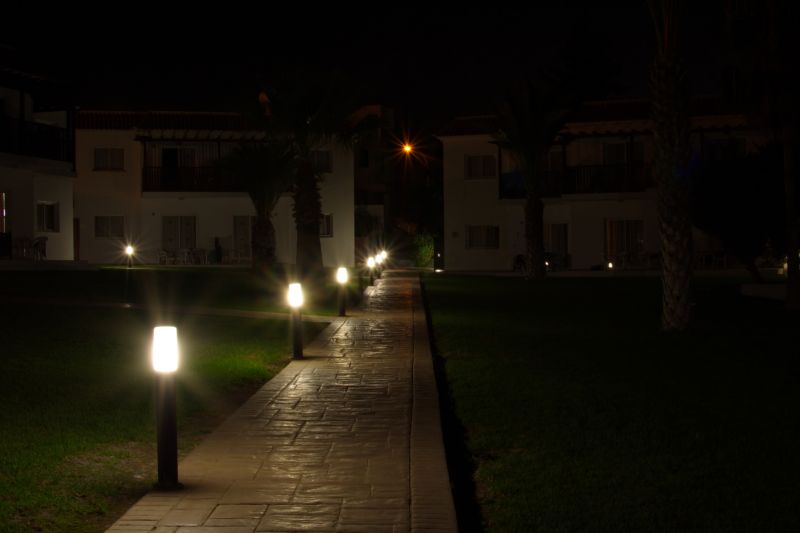
Pathway lights illuminate walkways as natural light fades, providing safety and aesthetic appeal.
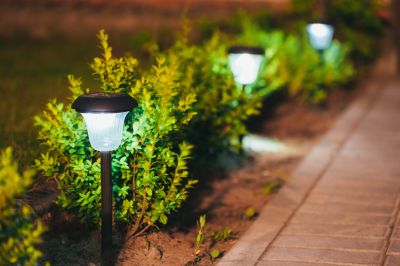
Proper timing enhances outdoor pathways during fall and winter months.
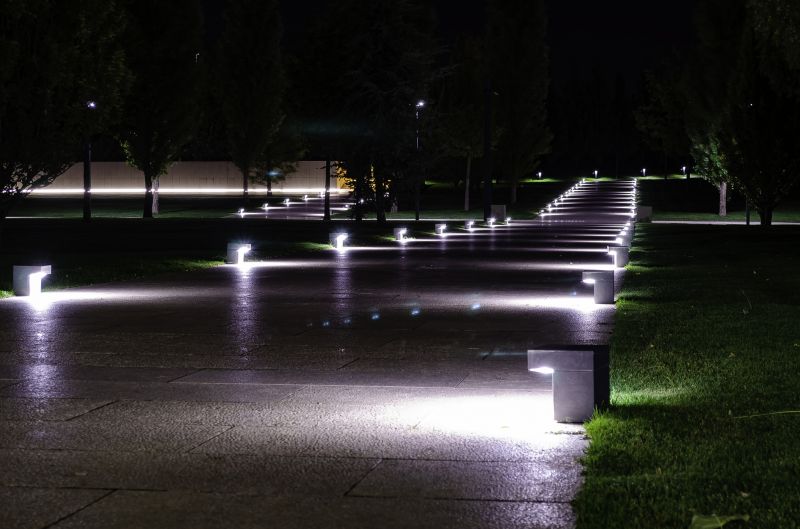
Optimal installation conditions ensure safety and durability.
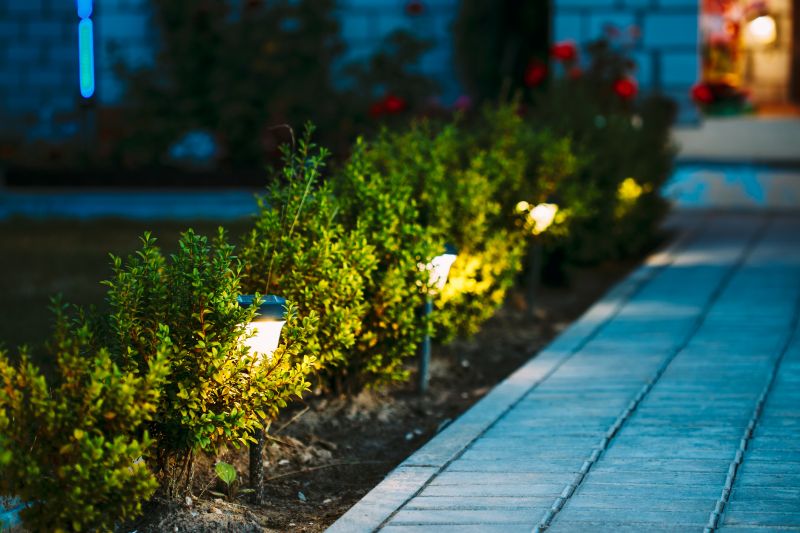
Ways to make Pathway Lightings work in tight or awkward layouts.
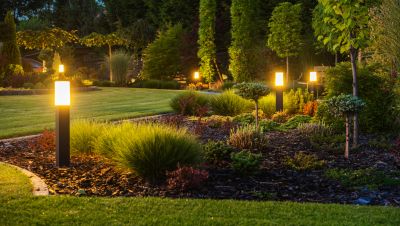
Popular materials for Pathway Lightings and why they hold up over time.
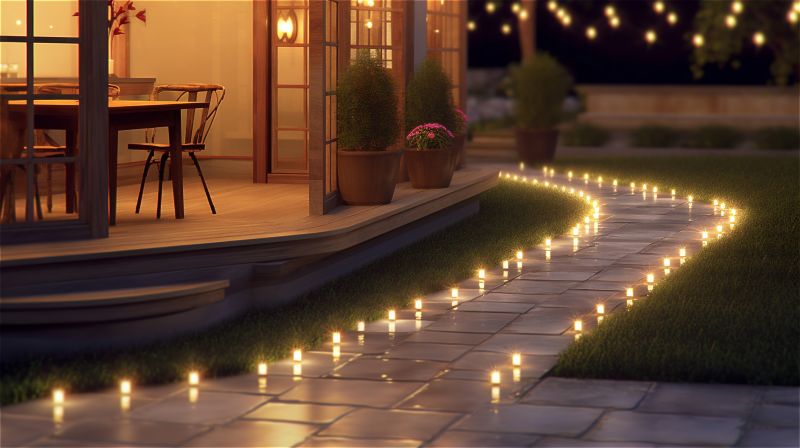
Simple add-ons that improve Pathway Lightings without blowing the budget.
Pathway lighting plays a crucial role in outdoor safety and visual appeal. Properly timed installations and activations ensure pathways are well-lit during hours of darkness, reducing trip hazards and enhancing landscape features. Advances in lighting technology, such as LED fixtures and solar-powered options, offer energy-efficient solutions that can be tailored to seasonal needs. Statistics indicate that well-lit pathways can decrease nighttime accidents by up to 50%, underscoring the importance of strategic timing and placement.
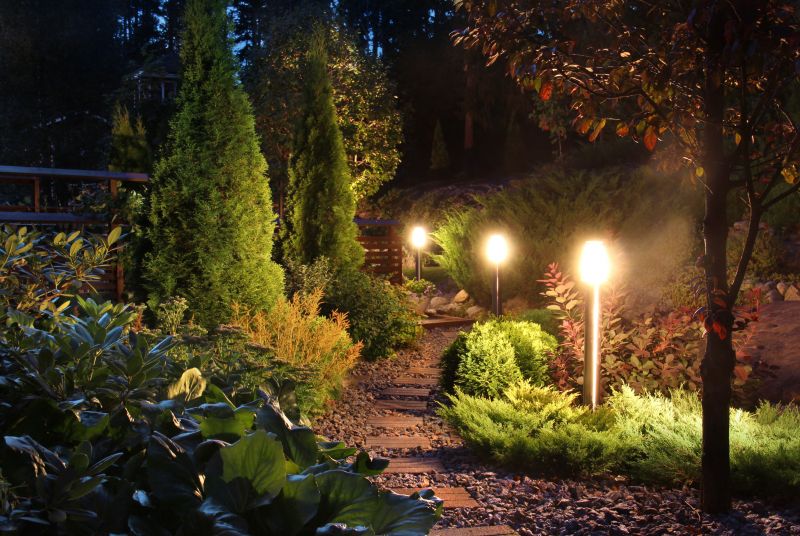
Lights highlight pathways during evening hours, improving safety.
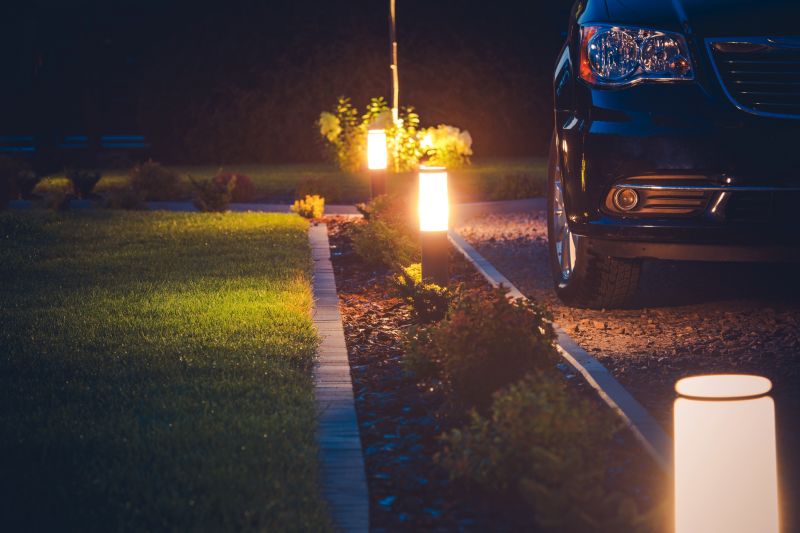
Adjust lighting schedules to match seasonal daylight changes.
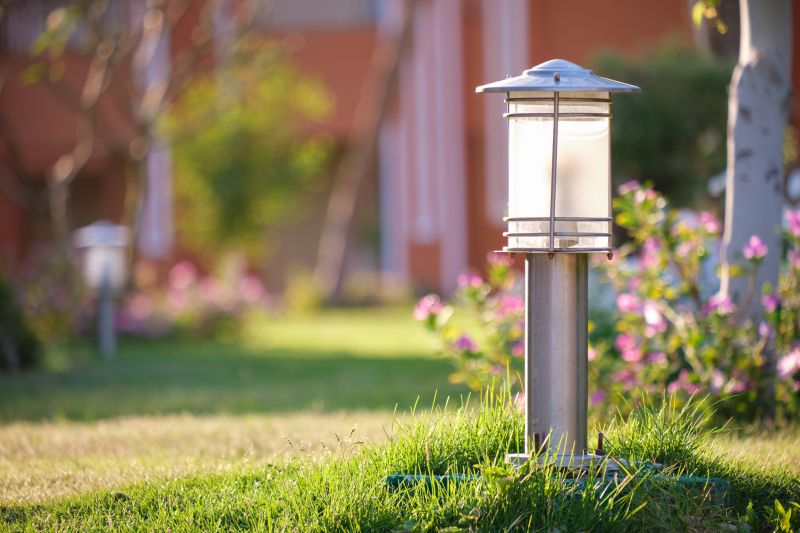
Spring is ideal for checking and maintaining pathway fixtures.
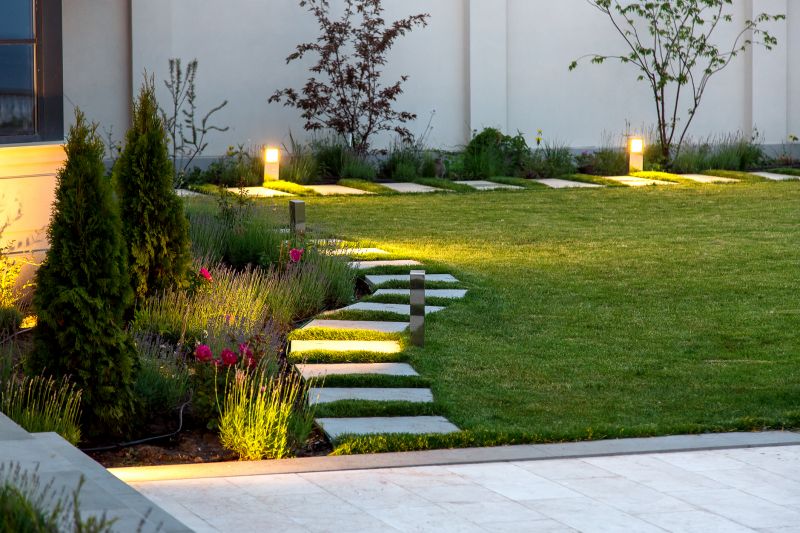
Proper lighting enhances nighttime landscape aesthetics.
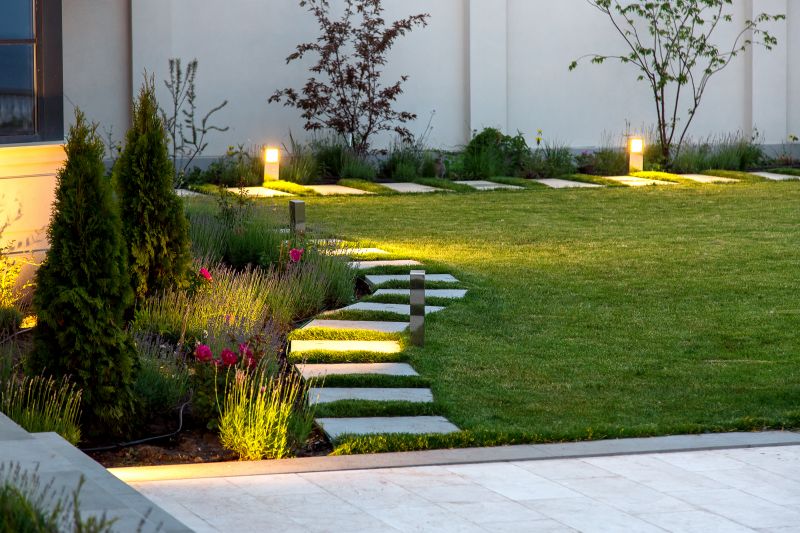
High-end options that actually feel worth it for Pathway Lightings.

Finishes and colors that play nicely with Pathway Lightings.
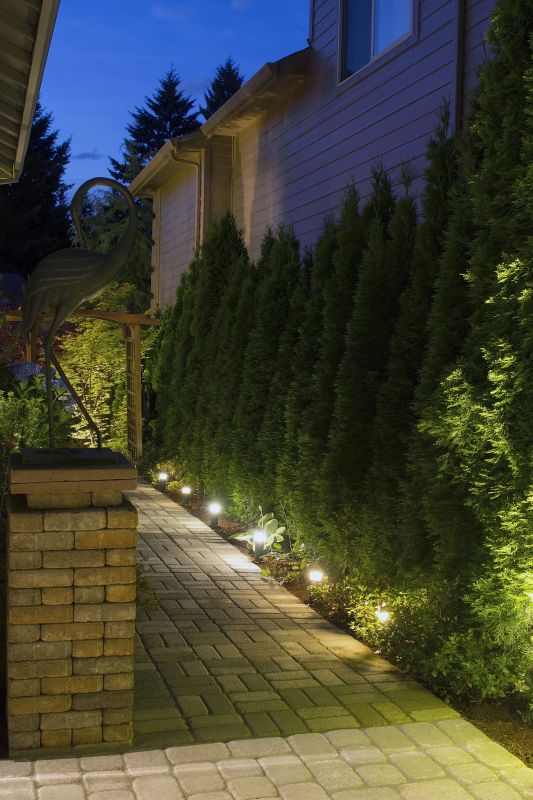
Little measurements that prevent headaches on Pathway Lightings day.
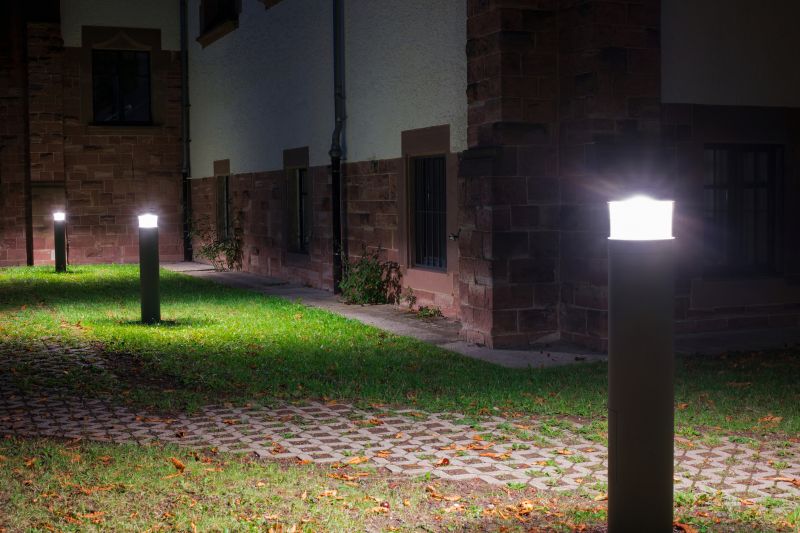
A 60-second routine that keeps Pathway Lightings looking new.
| Aspect | Best Timing |
|---|---|
| Installation | Early autumn |
| Activation | Late fall to winter |
| Maintenance | Spring or early summer |
| Adjustments | Before daylight saving time changes |
| Weather Conditions | Dry weather preferred for installation |
Choosing the right time for pathway lighting ensures optimal performance and longevity. Seasonal considerations, weather conditions, and daylight hours all influence installation and activation schedules. Proper timing not only enhances safety and aesthetic appeal but also maximizes energy efficiency and fixture lifespan. Regular maintenance aligned with seasonal cycles helps sustain consistent lighting quality throughout the year.
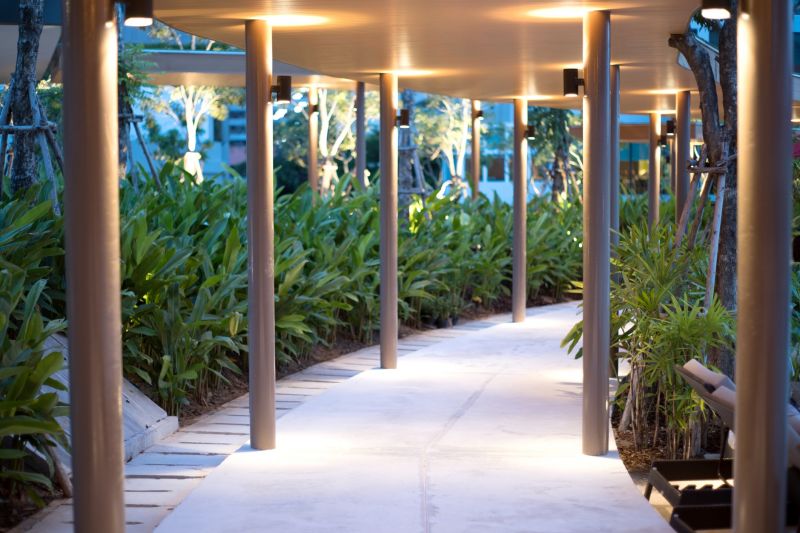
Illuminated walkways improve safety during late hours.
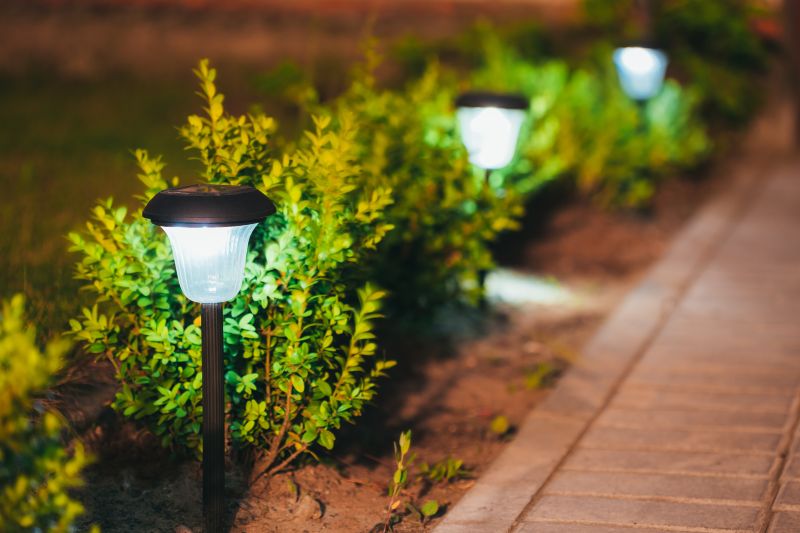
Adjust lighting based on seasonal daylight hours.

Spring is ideal for fixture inspections and repairs.
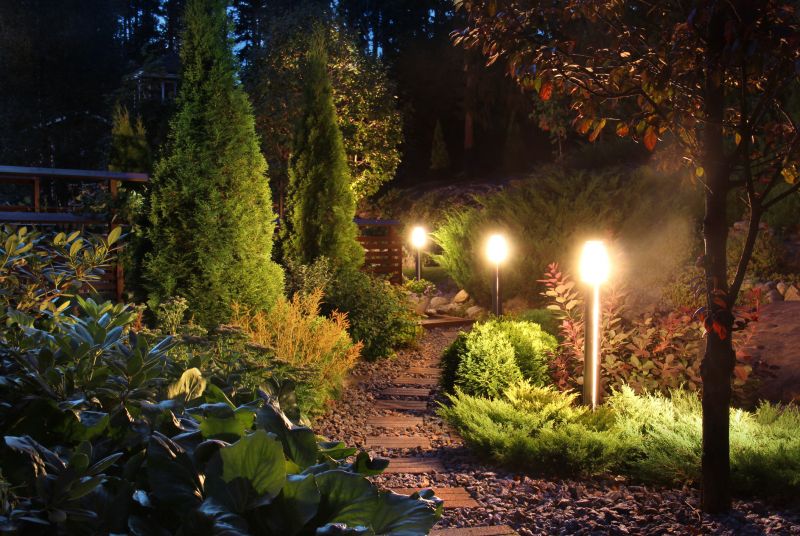
Enhances landscape features during nighttime.
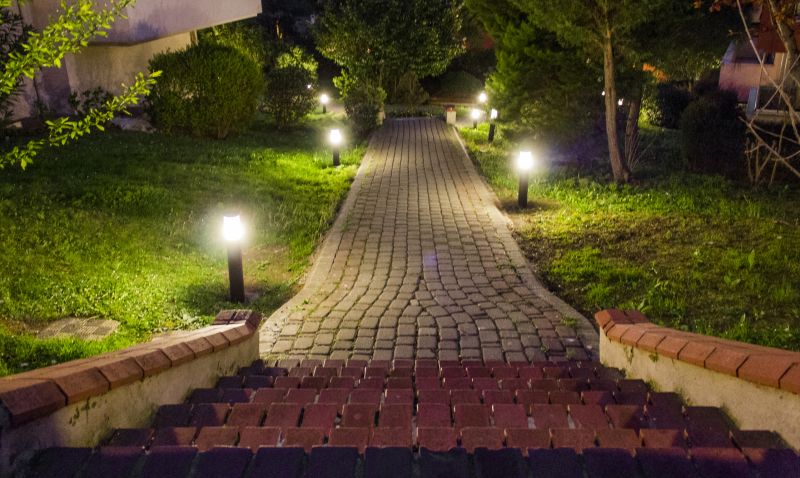
A frequent mistake in Pathway Lightings and how to dodge it.
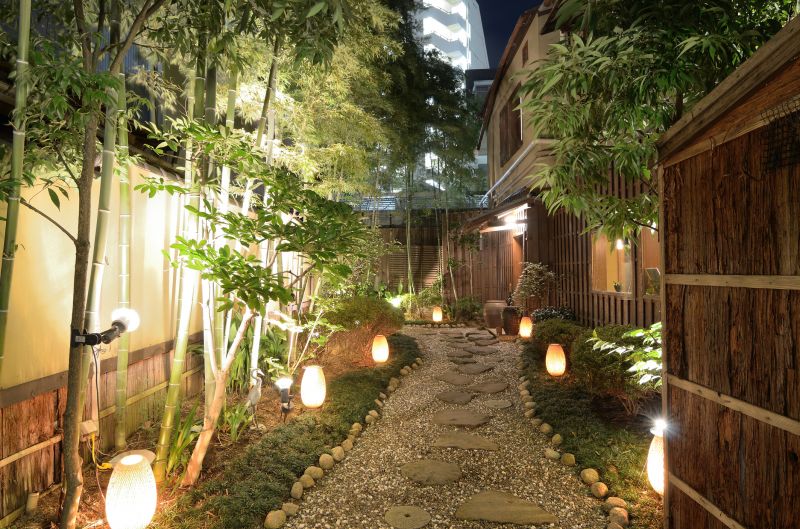
Small tweaks to make Pathway Lightings safer and easier to use.

Lower-waste or water-saving choices for Pathway Lightings.
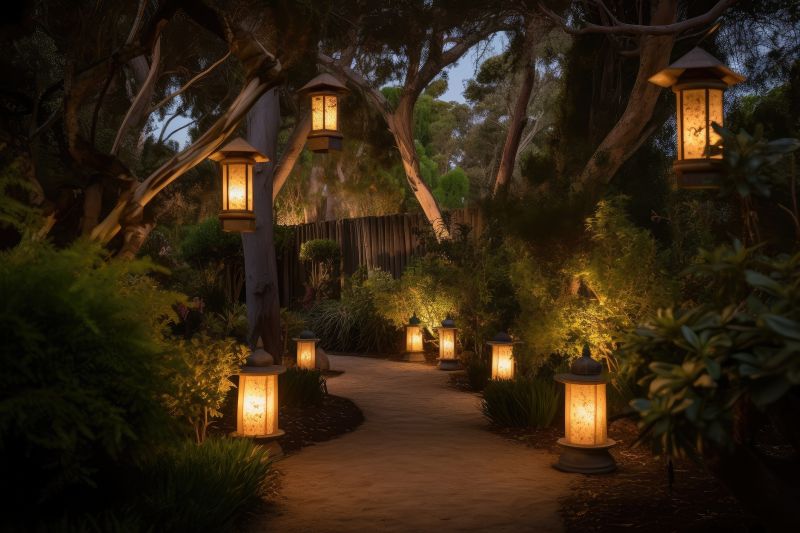
The short, realistic tool list for quality Pathway Lightings.
Interested in enhancing outdoor pathways with effective lighting? Filling out a contact form can provide tailored recommendations and scheduling options. Proper timing and installation of pathway lighting can significantly improve safety, visibility, and curb appeal, making outdoor spaces more inviting during evening hours.